 Sweet Secrets Dubai
Private Event Etiquette and Dress Codes: A Practical Guide
Directory editorial team(6 min)
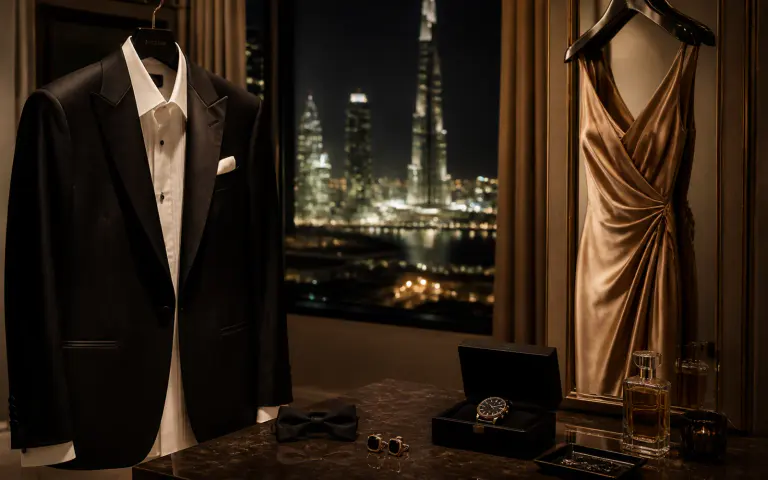
Good private-event etiquette begins before anyone gets dressed: confirm the invitation, venue, dress code, arrival time, expected introductions and level of formality. The right outfit then supports the occasion instead of competing with it. When the wording is unclear, a short question to the host is more polished than an expensive guess.
What should you confirm before a private event?
Ask for the exact dress-code wording and the basic shape of the evening. A seated dinner, gallery opening, business reception and yacht gathering can all be described as “exclusive,” yet each calls for different shoes, layers and social behaviour. Useful details include whether the event is indoors or outdoors, whether guests will move between venues, how long it is expected to run and whether photographs are planned.
- Invitation: confirm the date, arrival window, venue entrance and whether the invitation names individual guests.
- Format: ask whether the evening is a dinner, reception, performance, business function or mixed programme.
- Role: agree how introductions will be handled and which personal details should remain private.
- Logistics: decide on transport, meeting point, departure plan and any venue security requirements.
How do the main dress codes differ?
Black tie
Black tie is formal evening wear. For women, a floor-length gown is the safest traditional choice, although a refined formal midi dress may suit a modern venue when the host confirms it. For men, the standard is a dinner jacket or tuxedo with a formal shirt, bow tie and polished evening shoes. Fabrics, tailoring and condition matter more than conspicuous branding.
Cocktail attire
Cocktail attire is polished but less ceremonial. A structured midi or knee-length dress, an elegant jumpsuit or a coordinated evening set can work well. Men generally choose a dark suit with a crisp shirt; the tie depends on the invitation and venue. This code allows more personality, but it still calls for deliberate styling rather than ordinary nightlife clothing.
Business formal
Business formal keeps the silhouette composed and the details restrained. Tailored dresses, suits, closed or refined shoes and a calm colour palette are dependable. The aim is to look credible in professional introductions and photographs. Avoid pieces that require constant adjustment or feel more suitable for a club than a reception.
Smart casual
Smart casual is the most easily misread because it changes with the host. It usually means elevated separates, a well-cut dress, tailored trousers or a relaxed jacket rather than gym wear, beachwear or distressed basics. If the venue is luxurious or the guest list is professional, choose the more polished interpretation.
Build the outfit around the venue and schedule
An outfit should survive the whole evening, not only the mirror. Consider walking distance, stairs, outdoor terraces, vehicle transfers and strong indoor air conditioning. In Dubai, a light layer can make the difference between looking composed and spending dinner visibly uncomfortable. Shoes should be clean, stable and already tested; a new pair that becomes painful after twenty minutes affects posture and attention.
Fit is more valuable than excess. Check how the outfit looks while sitting, walking and raising a glass. Bring only the essentials in a compact bag: identification if genuinely required, phone, charger, discreet grooming items and any medication you personally need. A stain-removal wipe or fashion tape can solve a small problem without turning it into the evening’s story.
Keep grooming and accessories deliberate
Choose a focal point rather than asking every detail to compete. Statement earrings may need a quieter necklace; an ornate dress usually needs simpler accessories. Jewellery should not catch on clothing or make constant noise at a table. Fragrance should remain close to the wearer, especially in cars, lifts and dining rooms where other guests cannot create distance.
Grooming should look finished but still feel like the person wearing it. A secure hairstyle, comfortable makeup and neat hands are more reliable than an unfamiliar trend attempted just before departure. Check the host’s expectations before wearing highly visible logos, political symbols or anything designed primarily to provoke attention.
How should you handle introductions and conversation?
Agree on introductions privately before arrival. Use the name and description each adult has approved; do not improvise a biography or disclose how you met. If you forget a name, ask quietly instead of guessing. Let the host lead where there is a clear seating plan or receiving line, and greet the people nearest to you before scanning the room for someone more important.
Good conversation makes space for other guests. Ask open, neutral questions, listen to the answer and avoid interrogating anyone about status, money or private relationships. Do not repeat confidential remarks from another table. When a topic becomes tense, a graceful change of subject is usually more useful than winning the argument.
Phones, photographs and discretion
Keep the phone silent and off the table unless it serves a stated purpose. Never photograph a guest list, place card, private home, document or person without permission. Permission to take a picture does not automatically include permission to post it, tag the location or identify everyone present. If the event has an official photographer, ask how the images will be used and state any boundary before the camera starts circulating.
Discretion continues after departure. Do not discuss who attended, what was said or where the evening continued in public posts or unrelated chats. A private event remains private even when parts of it looked public from the outside.
Etiquette is also about boundaries
Clothing and attendance never imply consent to physical contact, photographs, alcohol or a change of plan. Check in privately if the schedule changes or either person appears uncomfortable. A companion should be able to decline a dance, drink, introduction or onward invitation without being made to manage a scene. Clear expectations create the ease that polished social behaviour is meant to convey.
Final private-event checklist
- Confirm the invitation, dress code, venue, arrival window and event format.
- Agree on introductions, privacy boundaries, transport and departure plans.
- Test the complete outfit while sitting and walking.
- Choose comfortable shoes, restrained fragrance and one visual focal point.
- Keep phones and cameras away unless their use is clearly welcome.
- Follow the host’s lead without surrendering personal boundaries.
If the event includes a gesture for your guest, the guide to choosing a thoughtful gift for a companion explains how to keep it personal, proportionate and easy to receive.