 Sweet Secrets Dubai
Gifts for a Companion: Thoughtful Ideas and Etiquette
Directory editorial team(5 min)
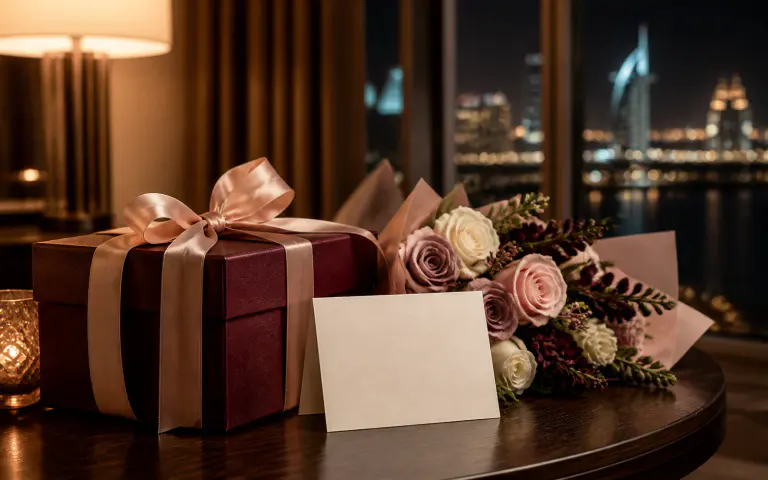
The best gift for a companion is personal enough to show attention, proportionate to the relationship and easy to accept or decline without obligation. Price is a poor substitute for knowing someone’s taste. For a first meeting, choose a modest gesture based on an expressed preference—or ask before bringing anything at all.
Should you bring a gift to a first meeting?
A gift is optional, not an entrance requirement or a test of generosity. If you know very little about the recipient, restraint is considerate. A small bouquet after checking flower preferences and allergies, a book connected to an interest they mentioned or a compact local specialty can feel thoughtful without creating pressure.
If there is no reliable clue, ask a simple question: “Would you enjoy flowers, something sweet, or no gift?” The answer prevents avoidable mistakes and shows more attention than a generic luxury item. Respect “nothing, thank you” as a complete preference.
Match the gift to the stage and occasion
A first meeting
Keep the gesture small, portable and neutral. Avoid anything that assumes intimate knowledge, requires a particular size or needs to be displayed at home. Packaging should be discreet and easy to carry. The purpose is to acknowledge the occasion, not to define the relationship before it begins.
A birthday or known milestone
Use information the person has volunteered: a favourite author, exact fragrance, preferred flowers, hobby or restaurant. Specificity makes a modest gift feel considered. Confirm dates and preferences rather than relying on a social-media clue that may be old, public for work or intentionally incomplete.
Travel or a formal event
Choose something that fits the itinerary. A heavy arrangement, fragile object or large branded bag can become luggage rather than pleasure. For a formal evening, a gift is best exchanged privately before or after the event so it does not turn into a public performance. If a trip is planned, practical comfort and agreed experiences may be more welcome than another object.
Thoughtful gift ideas that depend on real preferences
- Flowers: suitable when you know the preferred type, colour and any allergies; choose a manageable arrangement.
- Books or art editions: meaningful when connected to an author, artist or subject the person actually enjoys.
- Tea, coffee or confectionery: appropriate only after checking dietary restrictions, alcohol content and personal taste.
- Fragrance: a strong choice when you know the exact product; a risky guess when you do not.
- A small accessory: consider it only when style, material preferences and practical use are clear.
- An experience: dinner, a spa booking, a performance or an activity works when the recipient chooses the date and genuinely wants the plan.
A gift card can be more useful than an incorrect item, but presentation and retailer choice still matter. Select a place the person has mentioned and make sure the card can be used without disclosing more personal data or spending additional money.
What gifts are better avoided?
Avoid intimate items without an explicit request, size-dependent clothing, imitation luxury goods, live animals and anything that creates storage, travel or customs problems. Do not give medication, supplements or products that make assumptions about someone’s body. Alcohol is unsuitable when preferences, health considerations or venue rules are unknown.
Very expensive gifts can create an implied debt even when the giver says otherwise. They may also raise practical questions about insurance, authenticity, transport and whether the recipient feels safe accepting them. If a high-value gift is genuinely appropriate in an established relationship, discuss it in advance and make clear that it carries no demand for time, affection, publicity or future contact.
Keep gifts separate from payments and agreements
A gift should not be used to blur a price, refund, expense or other arrangement. Keep agreed costs clear and treat the gift as optional. Do not describe money sent for a booking as a present after the fact, and do not expect a gift to change previously stated boundaries.
Consent cannot be purchased through generosity. If the recipient declines the gift, accept the decision without asking for an explanation or repeatedly offering a more expensive replacement.
Consider culture, privacy and presentation
Personal taste matters more than stereotypes about nationality, age or profession. Ask rather than assuming that a culturally themed object will feel meaningful. Check whether a gift contains ingredients or symbols that may be unwelcome, and avoid jokes that require the recipient to tolerate embarrassment.
Present the gift privately and without an audience whenever discretion matters. Do not photograph the exchange or post it online without permission. A handwritten note can add warmth, but it should not include a private name, address or message that would be awkward if the package were seen by someone else.
How should you offer the gift?
Keep the moment simple: explain the small reason you chose it, then let the recipient respond naturally. “You mentioned this author, so I thought you might enjoy the book” is warmer than a speech about cost or effort. Remove price stickers, include a gift receipt when practical and avoid requiring the gift to be opened immediately.
If the answer is no, take the item back gracefully. A refusal may relate to privacy, travel, policy, personal boundaries or nothing the giver needs to know. Good etiquette is measured by how comfortably the other person can decline.
Gift etiquette checklist
- Base the idea on an expressed preference, not a stereotype.
- Keep a first-meeting gift modest, discreet and portable.
- Check allergies, dietary needs, exact sizes and fragrance names where relevant.
- Avoid gifts that imply obligation, intimacy or a future relationship.
- Separate gifts from agreed costs and never use them to renegotiate boundaries.
- Offer the gift privately and make refusal easy.
The same principle applies to the rest of the occasion: thoughtful preparation should reduce pressure. For a formal invitation, use the private-event etiquette and dress-code guide to coordinate the gesture with the venue and schedule.